






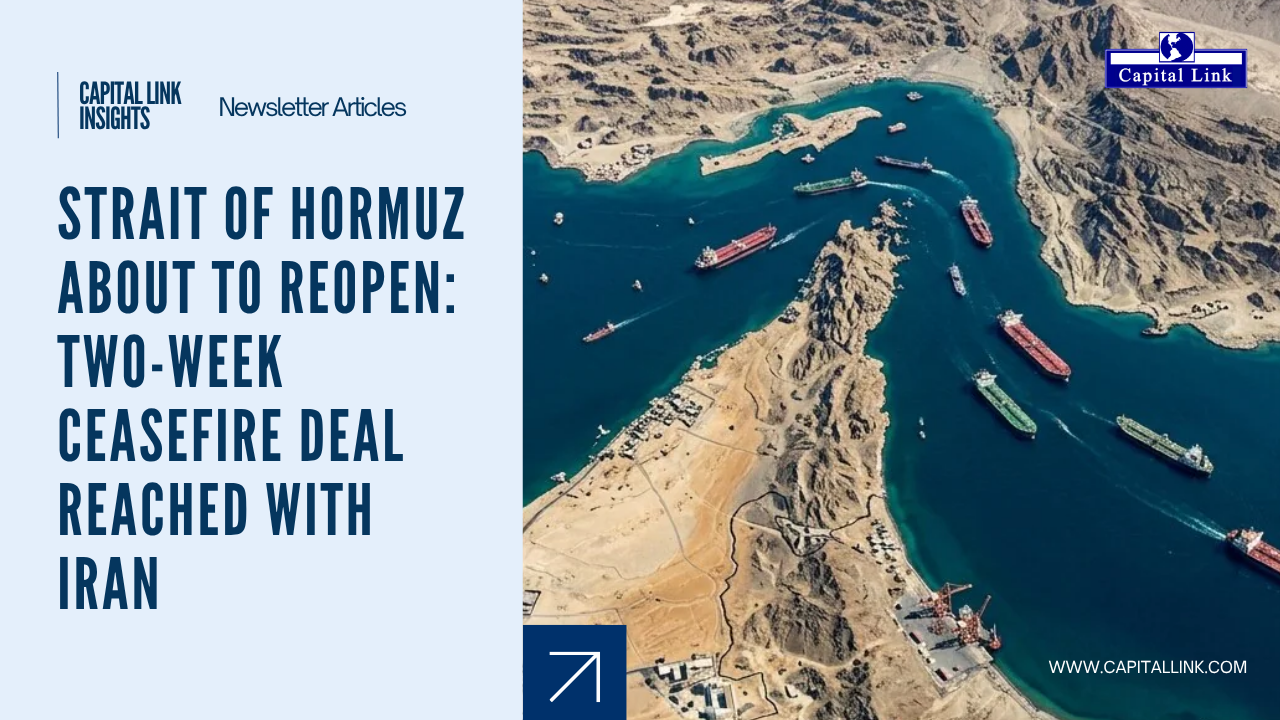
Today, the United States and Iran have reached a deal for ceasefire, achieving a deal less than two hours before President Donald Trump’s deadline for Tehran to reopen the Strait of Hormuz. Earlier this week Pakistan’s military chief, Field Marshal Asim Munir, and its Prime Minister Shehbaz Sharif proposed the two-week ceasefire to allow for diplomacy.
Sharif has also invited Iranian and U.S. delegations to meet in Islamabad on Friday for further negotiations. The country has to balance its geographical closeness with Iran, as they share a large border, as well as its military alliances with the United States and Saudi Arabia.
Both the U.S. and Iran see this deal as a victory for their nations, as it will provide a respite to a conflict that has created a global economic crisis. This ceasefire is a starting point for further negotiations to definitively end the war.
President Trump highlighted that he agreed to the ceasefire on the condition that Iran reopens the Strait of Hormuz. Iran had put forward a 10-point proposal, which the President views as a workable basis on which to negotiate, while a final agreement can be expected in the next two weeks.
In a post on Truth Social, Trump said he agreed to the provisional ceasefire because “we have already met and exceeded all Military objectives”.
He further added that the US would be helping with the traffic buildup in the Strait of Hormuz. Notably, the waterway typically handles about one-fifth of global oil shipments.
Iran’s foreign minister, Abbas Araqchi, stated that Tehran would cease counter-attacks and provide safe passage through the strait, if attacks against it stop.
Israel supported the decision to suspend strikes on Iran for the two-week period, but highlighted that said deal does not extend to the situation taking place in Lebanon.
IMO Secretary-General Arsenio Dominguez welcomes the ceasefire, and seeks safe evacuation in Strait of Hormuz:
“For the health and wellbeing of seafarers and the global shipping industry, I welcome the ceasefire announced in the Middle East. I am already working with the relevant parties to implement an appropriate mechanism to ensure the safe transit of ships through the Strait of Hormuz. The priority now is to ensure an evacuation that guarantees the safety of navigation.”
As of now, it is not clear when the ceasefire will begin although it is expected as soon as Iran reopens the Strait of Hormuz.
Iran’s leadership has made it clear that a ceasefire does not guarantee the end of the war. Meanwhile, oil prices have already dropped, providing the market with a much needed reprieve.
Source https://www.linkedin.com/pulse/strait-hormuz-reopen-two-week-ceasefire-deal-reached-iran-dx0nf/