

GREENER SHIPPING SUMMIT: BUILDING RESILIENT COMPANIES IN UNPREDICTABLE TIMES
Το 19o Greener Shipping Summit, που διοργανώθηκε από τη Newsfront/Naftiliaki

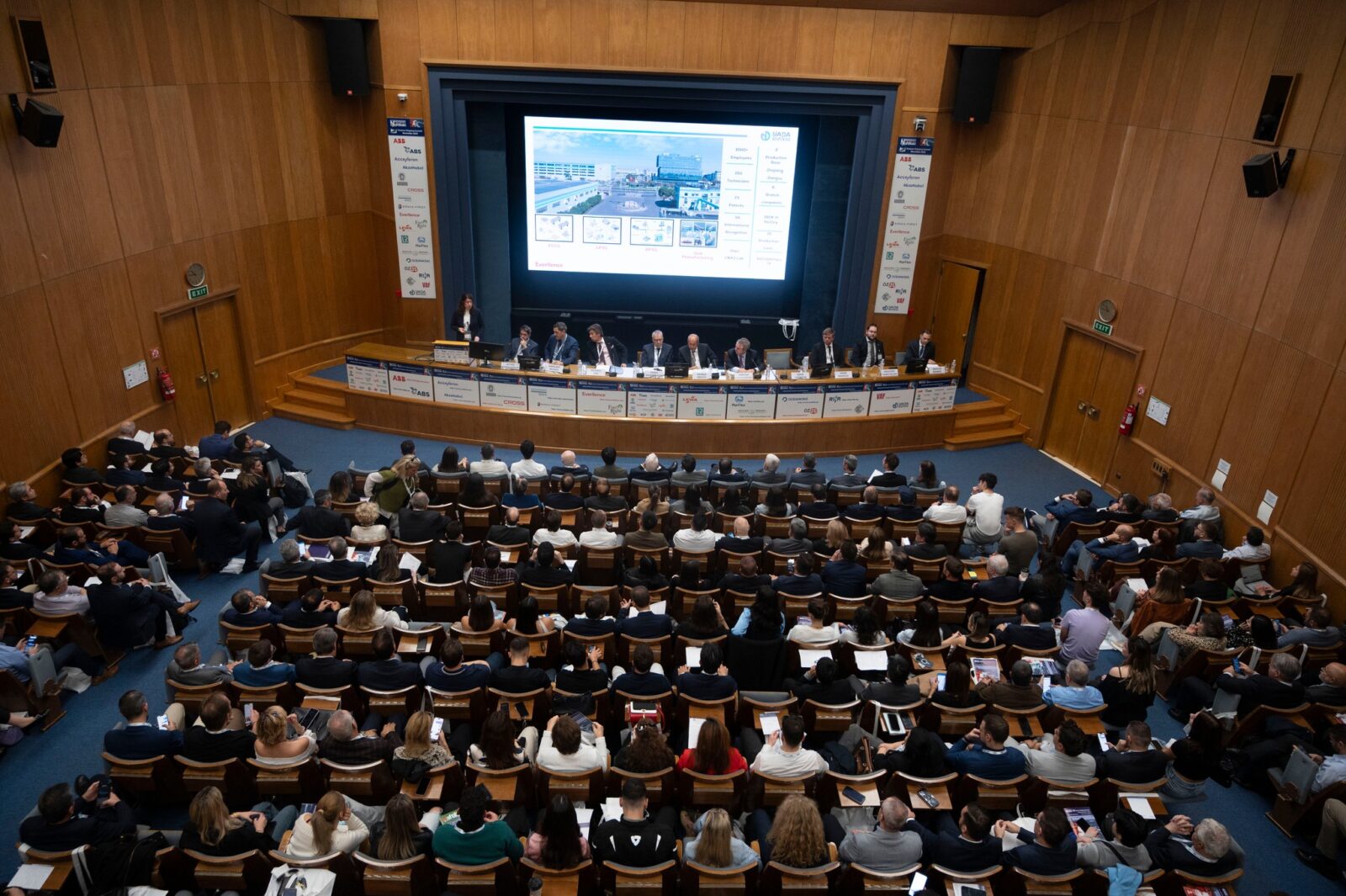
υπό την αιγίδα της Martecma, διεξήχθη στις 11 Νοεμβρίου 2025 στο Ίδρυμα Ευγενίδου και σημείωσε ρεκόρ συμμετοχής με πάνω από 700 άτομα -εκπροσώπους της ναυτιλιακής κοινότητας και φοιτητές. Το κύριο θέμα του φετινού συνεδρίου ήταν η οικοδόμηση της ανθεκτικότητας των ναυτιλιακών επιχειρήσεων μέσα σε ένα κλίμα γενικευμένης αβεβαιότητας, περιβαλλοντικών και κανονιστικών πιέσεων,γεωπολιτικών προκλήσεων και αναδυόμενων τεχνολογικών λύσεων για τη βελτιστοποίηση των ναυτιλιακών επιχειρήσεων.
Η βελτίωση των υφιστάμενων τεχνολογιών μαζί με την ανάπτυξη νέων και η επανεστίαση του ΙΜΟ στην ασφάλεια ήταν τα κύρια σημεία στην εναρκτήρια ομιλία τουΠάνου Κουρκουντή, τεχνικού διευθυντή της SeaTraders και προέδρου της Martecma.
Ο Κουρκουντής είπε ότι δεν βλέπει νικητές και ηττημένους στην απόφαση του ΙΜΟ να καθυστερήσει το Πλαίσιο Μηδενικών Εκπομπών, καθώς θα υπήρχε έλλειψη συναίνεσης και «ο ΙΜΟ θα διακινδύνευε να εμπλακεί σε γεωπολιτικά ζητήματα, ενώ μέχρι τώρα ο ΙΜΟ υποστηρίζει τη ναυτιλιακή βιομηχανία με εξαιρετικούς κανονισμούς όπως η ασφάλεια και το περιβάλλον».
Το περιβάλλον είναι επίσης νικητής, δήλωσε ο Κουρκουντής, καθώς «παραδόξως δεν υπήρξε
εκτίμηση περιβαλλοντικών επιπτώσεων των κανονισμών».
«Αυτό που γνωρίζουμε είναι ότι ο κανονισμός υποστήριζε εναλλακτικά καύσιμα, συνθετικά
καύσιμα, και τα καύσιμα που προωθούσε ο ΙΜΟ δεν ήταν διαθέσιμα. Στην πραγματικότητα, μόνο το 1% της ποσότητας καυσίμων που απαιτούνται για τη ναυτιλία είναι διαθέσιμο αυτή τη στιγμή και η παραγωγή τους δεν είναι κάτι που θα μπορούσαμε να κάνουμε ‘την επόμενη μέρα’», τόνισε,καθώς η ενέργεια που απαιτείται για την παραγωγή αμμωνίας και
μεθανόλης θα είναι υψηλότερη από την ενέργεια που παράγουν.
Ο Κουρκουντής έθεσε το ερώτημα: πώς θα προχωρήσουμε;
Επεσήμανε ότι χρειαζόμαστε κάποια άλλη δράση, άλλους κανονισμούς για να
υποστηρίξουμε κάτι διαφορετικό από τα εναλλακτικά καύσιμα.
«Δεν έχουμε ενέργεια από μπαταρίες, ενώ η πυρηνική ενέργεια δεν είναι έτοιμη να
εφαρμοστεί, καθώς σίγουρα θα έλυνε το πρόβλημα της παγκόσμιας ενέργειας, αλλά
περιβαλλοντικά το πρόβλημα παραμένει, καθώς υπάρχουν πυρηνικά απόβλητα», είπε.
Έτσι, ο πρόεδρος της Martecma πρότεινε «εκτός αν έχουμε νέες τεχνολογίες, θα πρέπει να
προχωρήσουμε με αυτό που έχουμε τώρα. Και αυτό ονομάζεται βελτίωση, και υπάρχει πολύ
περιθώριο βελτίωσης με ό,τι έχουμε μπροστά μας. Μπορούμε να το κάνουμε όλοι μαζί και θα έχουμε τα αποτελέσματα για το περιβάλλον». Και πρόσθεσε ότι «με την τεχνολογία που
έχουμε τώρα, μπορούμε να μειώσουμε τις εκπομπές κατά 50%». Υπογράμμισε ότι «η
ναυτιλία δεν είναι μόνο το περιβάλλον και πιστεύω ότι ο ΙΜΟ θα επικεντρωθεί ξανά στην
ασφάλεια», ενώ ταυτόχρονα είπε «μην εκπλαγείτε αν την επόμενη δεκαετία θα έχετε τον
έλεγχο του πλοίου σας στο κινητό σας τηλέφωνο, όπως συμβαίνει με τις εφαρμογές πουέχουμε στην καθημερινότητά μας, ώστε τα πλοία να έχουν αυτοματοποίηση, θα έχουν
τηλεχειριστήρια και πρέπει να αρχίσουμε να βλέπουμε τα σενάρια».
Και κατέληξε στο συμπέρασμα ότι «αυτή είναι η πορεία προς τα εμπρός και πιστεύουμε ότι
τα περισσότερα μέρη του κλάδου προχωρούν προς την κατεύθυνση των νέων κανονισμών
για την επιτάχυνση των εξελίξεων στη ναυτιλία και νομίζω ότι θα είναι προς όφελος όλων».
Η πρώτη συνεδρία του Green Shipping Summit “Decarbonisation – Can IMO bring it
alltogether?” συντονίστηκε από τον Χρήστο Χατζηγεωργίου, ManagingDirector τηςAlmi
Marine Management.
Ο Λευτέρης Κουκουλόπουλος, Regional Decarbonisation Specialist, DNV, παρουσίασε μια
προοπτική για την απαλλαγή από τον άνθρακα με τις μελλοντικές εξελίξεις, λέγοντας ότι η
πλειονότητα των νεότευκτων πλοίων μεταφοράς εμπορευματοκιβωτίων (75%) έχουν
δυνατότητα χρήσης δυο καυσίμων. Είπε ότι η δέσμευση άνθρακα επί του πλοίου είναι μια
πολλά υποσχόμενη τεχνολογία, αλλά εξακολουθεί να υπάρχει έλλειψη χρονικής ωριμότητας,
κανονιστικού πλαισίου και υποδομών, ενώ τα βιοκαύσιμα αποτελούν μια δημοφιλή
βραχυπρόθεσμη και μεσοπρόθεσμη λύση με λογική τιμή, αλλά η πρόκληση είναι η
διαθεσιμότητα βιώσιμης βιομάζας.
Ο Νικόλαος Μίχας, Marine South East Europe Tanker Key Account Manager, RINA,
αναφέρθηκε στη μέχρι στιγμής χρήση διπλών καυσίμων καθώς και για το μέλλον των
καυσίμων που χρησιμοποιούνται σήμερα και των καυσίμων νέας τεχνολογίας μετά το MEPC
- Είπε ότι τα αποτελέσματα του MEPC προάγουν την αβεβαιότητα στην αγορά, τονίζοντας
ότι για πολύ καιρό, οι πλοιοκτήτες δεν είναι σίγουροι ποια είναι η πιο λογική λύση για τα
νεότευκτα πλοία τους, καθώς δεν είναι σίγουροι για τους φόρους που θα πρέπει να
πληρώσουν στο μέλλον για τις εκπομπές CO2, και η επιλογή καυσίμου είναι μεγάλο
ερώτημα για αυτούς.
Ο Jakob Gjørtsvang Knudsen, Principal Promotion Manager, Two-stroke Promotion,
Everllence, μίλησε για το καθεστώς διπλών καυσίμων, λέγοντας ότι η Everllence βρίσκεται
σε θέση για να ηγηθεί της ενεργειακής μετάβασης του ναυτιλιακού τομέα, καθώς το
χαρτοφυλάκιο κινητήρων διπλών καυσίμων, υποστηριζόμενο από ισχυρή έρευνα και
ανάπτυξη και υιοθέτηση από την αγορά, υποστηρίζει τους πλοιοκτήτες στην επίτευξη των
στόχων απαλλαγής από τον άνθρακα, διατηρώντας παράλληλα την επιχειρησιακή αξιοπιστία.
Η Sofia Liedholm, Operations Manager, Everllence and Yada, αναφέρθηκε στον κρίσιμο
ρόλο του σχεδιασμού και της ενσωμάτωσης του FuelGasSupplySystem (FGSS) στη
μετάβαση στα καύσιμα, καθώς ο ΙΜΟ και η ΕΕ έχουν εισαγάγει σημαντικές πρωτοβουλίες
για την επιτάχυνση της μετάβασης στα ναυτιλιακά καύσιμα, ενώ οι παγκόσμιες επενδύσεις
σε πιο πράσινα καύσιμα, ιδίως LNG, βρίσκονται σε άνοδο. Τόνισε ότι η πλοήγηση στην
πολυπλοκότητα των μελλοντικών καυσίμων απαιτεί συνεργασία.
Ο Michael Fan, Chief Technology & Innovation Officer της Tsakos Energy Navigation
(TEN), μίλησε για την απαλλαγή από τον άνθρακα από την οπτική γωνία μιας ναυτιλιακής
εταιρείας. Παρουσίασε τα μέτρα ενεργειακής απόδοσης και το πρόγραμμα Έρευνας και
Ανάπτυξης της TEN και προειδοποίησε ότι «ενώ η ναυτιλία βρίσκεται σε έναν αγώνα δρόμου
προς τις μηδενικές εκπομπές, οι ρυθμιστικές αρχές πρέπει να διασφαλίσουν ότι αυτό δεν
σημαίνει και μηδενικά περιθώρια κέρδους για τις εταιρείες!».
Ο Άγγελος Μηνάκης, BusinessDevelopmentManager της ABS, παρουσίασε τα βασικά
σημεία διαφωνίας στον IMO, λέγοντας ότι ο IMO έκανε ένα στρατηγικό λάθοςκαταδικάζοντας το LNG ενώ θεωρητικά δεν υπάρχουν άλλα καύσιμα, ενώ σκεπτόμενος το
μέλλον, είπε ότι ο IMO θα πρέπει να στρέψει την προσοχή του στην επανασύνδεση και την
οικοδόμηση συναίνεσης μεταξύ των κρατών μελών.
Ο Βασίλειος Τσαρσιταλίδης, EnergySavingTechnologies, ERMAFIRST, αναφέρθηκε σε
μια ρεαλιστική προσέγγιση στην απαλλαγή από τον άνθρακα και τη συμμόρφωση σε
κανονισμούς σε περιόδους αβεβαιότητας, παρουσιάζοντας τις τεχνολογικές εξελίξεις της
εταιρείας του που βοηθούν τις ναυτιλιακές εταιρείες να εφαρμόσουν τη στρατηγική τους για
την απαλλαγή από τον άνθρακα, συμπεριλαμβανομένης της μείωσης των ενεργειακών
απαιτήσεων, της μείωσης της τριβής, της βελτιωμένης λειτουργίας, της ηλεκτροκίνησης, και
της δέσμευσης άνθρακα.
Η δεύτερη συνεδρία, με συντονιστή τον Χάρη Γιαντζίκη, TechnicalManager της Arcadia
Shipmanagement Co Ltd, ήταν αφιερωμένη στο θέμα «Technology Innovations for
Sustainability».
Ο Σταύρος Χατζηγρηγόρης, Advanced Engineering Services της Zodiac Maritime,
παρουσίασε μια εκτενή ανάλυση σχετικά με τους διάφορους τύπους καυσίμων και μηχανών.
Σχολίασε ότι «το LNG, υπό όλους αυτούς τους κανονισμούς, θα είναι ακριβότερο από τα
βιοκαύσιμα» και τόνισε πως «οι enginedesigners και οι νηογνώμονες δεν θα πρέπει να
ανταγωνίζονται για το ποιος θα κερδίσει το μεγαλύτερο μερίδιο στα alternativefuelengines»,αλλά να επιδιώκουν τη συνεργασία για την κατασκευή αποδοτικών μηχανών.
Ο Simon Ma, Product Manager Medium and Low Speed Division της Accelleron,
παρουσίασε ενημέρωση για την εξέλιξη των axialturbochargers, τονίζοντας ότι,
λαμβάνοντας υπόψη τις πολλές αβεβαιότητες για την επίτευξη των στόχων βιωσιμότητας, η
αναζήτηση μεγαλύτερης αποδοτικότητας και ευελιξίας γίνεται όλο και πιο σημαντική.
Ο Trevor Solomon, Business Development Manager Sustainability and Fouling Control,
AkzoNobel / InternationalMarineCoatings, μίλησε για την απόδοση και τη βιωσιμότητα
στον τομέα του foulingcontrol και αναφέρθηκε στις μελλοντικές τάσεις στις τεχνολογίες και
τα χαρακτηριστικά προϊόντων foulingcontrol, υπογραμμίζοντας παράλληλα τη συνεχιζόμενη
σημασία των αποδεδειγμένων, υψηλής απόδοσης λύσεων.
Ο Νικόλαος Λιάπης, ManagingPartner της ActaNonVerba, πρόεδρος του HIMT, Consultant,
FuelRight, SILVERPaLM, παρουσίασε την έννοια της ‘καθαριότητας’ των ναυτιλιακών
καυσίμων (marinefuelhygiene) ως μια ολιστική προσέγγιση και εξήγησε πώς συγκεκριμένα
προϊόντα έχουν σχεδιαστεί ώστε να εξαλείφουν τη μόλυνση, τη διάβρωση, τη λάσπη και το
νερό σε ολόκληρο το σύστημα καυσίμου.
Ο JaspervandeKant, SalesDirector της MarFlex, ασχολήθηκε με την αποδοτική διαχείριση
φορτίου στα tankers, και η παρουσίασή του κάλυψε βασικά θέματα όπως το Design
Optimization, τα ShipyardAdvantages μέσω χαμηλότερου κόστους εγκατάστασης και
αυξημένου χώρου φορτίου, καθώς και την πάντα σημαντική CharterPartyPerspective.
Ο Deniz Kaynar, Global Product Manager Ship Side Shore Connection της ABB Marine &
Ports, μίλησε για καινοτόμες midship shore connection solutions για tankers και για την
εφαρμογή του πρωτοποριακού ABBShoreConnectionDeckhouse, που χρησιμοποιείται για
την επίλυση μοναδικών και σύνθετων προκλήσεων.
Ο Albrecht Wandel, Business Development Manager Marine της LEWA GmbH, παρουσίασε
την ανάγκη για υψηλής ποιότητας αντλίες για εναλλακτικά ναυτιλιακά καύσιμα και τονκρίσιμο ρόλο της LEWA σε αυτό, παρέχοντας στιβαρές, αποδοτικές και ερμητικά στεγανές
process diaphragm pumps για Fuel Gas Supply Systems.
Η τρίτη συνεδρία ήταν αφιερωμένη στις integrated ship management solutions επόμενης
γενιάς και συντονιστής ήταν ο Γρηγόρης Σπουρδαλάκης, Managing Director της Columbia
Shipmanagement Greece.
Ο Martijn Schols, Commercial Director της VAF, αναφέρθηκε στο πώς η ψηφιοποίηση
επιτρέπει στις ναυτιλιακές εταιρείες να βελτιώσουν την απόδοση της πρόωσης και να
μειώσουν τις εκπομπές θερμοκηπίου. Οι δυνατότητες remotediagnostics της VAF
επιτρέπουν softwareupdates, calibrations και sensorhealthmonitoring, υποστηρίζοντας τόσοτην επιχειρησιακή αποδοτικότητα όσο και τη συμμόρφωση με τους κανονισμούς, μέσω τηςφιλοσοφίας «απανθρακοποίηση μέσω ψηφιοποίησης».
Ο Γιάννης Κοκαράκης, TechnicalDirector της BureauVeritas, δήλωσε ότι ο AI-driven
αυτοματισμός αποτελεί το κλειδί που ενισχύει τις λειτουργίες των πλοίων. Σύμφωνα με την
παρουσίασή του, η AI μπορεί να εντοπίζει πρότυπα διάβρωσης εβδομάδες πριν αυτά
εξελιχθούν, δίνοντας έτσι τη δυνατότητα στα πληρώματα να ενεργούν προληπτικά. Η
παρουσίαση ολοκληρώθηκε με ένα όραμα για το μέλλον: το “FutureFleet”, όπου η AI, ο
αυτοματισμός και οι ανθρώπινοι χειριστές συνεργάζονται αρμονικά.
Ο Αντώνης Τσούρας, Fleet Manager της Bernhard Schulte Shipmanagement (Hellas),
παρουσίασε τον τρόπο με τον οποίο το performancecompliancemonitoring επιτρέπει στους
πλοιοκτήτες και διαχειριστές να διατηρούν διαφάνεια απέναντι σε όλους τους stakeholders.
Η αποτελεσματική παρακολούθηση της συμμόρφωσης απόδοσης όχι μόνο διασφαλίζει την
τήρηση των διεθνών προτύπων, αλλά και προάγει τη συνεχή επιχειρησιακή βελτίωση.
Ο Φραντζέσκος Κοντός, ManagingDirector της AlphaGasSA, ανέλυσε πώς η εμφάνιση
των αυτόνομων και remotely-operated πλοίων μεταμορφώνει τις απαιτήσεις του
πληρώματος. Τόνισε ότι οι άνθρωποι υπερτερούν στη διαχείριση της αβεβαιότητας και
υποστήριξε ότι ο τελικός στόχος είναι η δημιουργία μιας ναυτιλιακής βιομηχανίας όπου η
ανθρώπινη εμπειρία και η τεχνολογική πρόοδος συνεργάζονται για ένα ασφαλέστερο, πιο
αποδοτικό και βιώσιμο μέλλον.
Ο Νίκος Κακαλής, Lloyd’sRegister’sGlobalBulkCarrierSegmentDirector, υποστήριξε ότι
η έγκαιρη και αποτελεσματική συντήρηση των πλοίων είναι ζωτικής σημασίας για την
ασφαλή και αποδοτική λειτουργία των πλοίων. Η Condition-Based Maintenance (CBM)
αυξάνει την αποδοτικότητα χρησιμοποιώντας real-timedata για τον προγραμματισμό
εργασιών με βάση την πραγματική κατάσταση του εξοπλισμού, αντί για προκαθορισμένα
διαστήματα. Αυτή η data-driven προσέγγιση βελτιστοποιεί τους πόρους, μειώνει τις διακοπέςκαι ενισχύει την επιχειρησιακή απόδοση.
Τέλος, η φωνή της αγοράς της ναυτιλίας ακούστηκε για ακόμη μία φορά καθαρά και δυνατά στηντελευταία συνεδρία του συνεδρίου, με συντονιστή τον Γιάννη Κοτζιά, Co-founder των
Xclusiv Shipbrokers και πρόεδρο της Hellenic Shipbrokers Association.
Ο Γιάννης Πλατσιδάκης, HonoraryChairman της Intercargo, αξιολόγησε τη φωνή των
Ελλήνων και Κυπρίων πλοιοκτητών στα διεθνή fora. Παρόλο που η ναυτιλία, ως βιομηχανία,
δεν διαθέτει σημαντικό πολιτικό βάρος, «είναι καλό που οι Έλληνες πλοιοκτήτες έχουν
φωνή, αλλά υπάρχει ένα όριο σε αυτό», τόνισε.
Ο Μιλτιάδης Βαρβιτσιώτης, αντιπρόεδρος και CEO των Ναυπηγείων Σκαραμαγκά,
υποστήριξε ότι η αντίθεση των ΗΠΑ στο Net-ZeroFramework του Διεθνούς ΝαυτιλιακούΟργανισμού δημιουργεί μια μοναδική ευκαιρία για την Ελληνική ναυπηγική βιομηχανία,ειδικά για τα Ναυπηγεία Σκαραμαγκά, καθώς τα ναυπηγεία θα πιστοποιηθούν την επόμενηχρονιά ώστε να εξυπηρετούν LNGcarriers — και τέτοια πλοία αναμένεται να
δραστηριοποιούνται στην περιοχή της Ανατολικής Μεσογείου μεταφέροντας Αμερικανικό
LNG προς εξαγωγή.
Ο Πάνος Ζαχαριάδης, TechnicalDirector της AtlanticBulkCarriers, περιέγραψε τις
αμφίσημες ενέργειες της Ευρωπαϊκής Ένωσης: «Η ΕΕ έχει “καπελώσει” τον IMO. Το
FuelEU δίνει πλεονέκτημα στο LNG, όμως η ΕΕ πηγαίνει στο IMO και λέει “όχι” στο
LNG», είπε χαρακτηριστικά. Στη συνέχεια, ο Ζαχαριάδης εξήγησε ότι τα πράσινα
ναυτιλιακά καύσιμα–όπως η αμμωνία και η μεθανόλη- θα οδηγήσουν σε άσκοπη σπατάλη
ανανεώσιμης ηλεκτρικής ενέργειας και ότι η παραγωγή τους θα έχει αρνητικό αντίκτυπο στο
περιβάλλον.
Ο Παναγιώτης Ζαφέτ, ManagingDirector της BalthellasGroup, εκφράζοντας την οπτική των
πλοιοκτητών, υποστήριξε ότι μέσα στο σημερινό περιβάλλον αβεβαιότητας, οι μεγάλου
μεγέθους εφοπλιστές θα πρέπει να επενδύσουν σε νεότευκτα πλοία, ενώ οι μικρού και
μεσαίου μεγέθους πλοιοκτήτες θα πρέπει «να βρουν τα κατάλληλα χρηματοδοτικά εργαλεία,
να είναι δημιουργικοί και να σκέφτονται outsideofthebox» όσον αφορά τις επενδυτικές
τους στρατηγικές.
Το φετινό GreenerShippingSummit ολοκληρώθηκε με ρεκόρ συμμετοχής, με εμφανή παρουσία σημαντικών παραγόντων της ελληνικής και διεθνούςναυτιλιακής βιομηχανίας και με συμμετοχήτης νεότερης γενιάς, η οποία επέδειξε έντονοενδιαφέρον για τα τρέχοντα ζητήματα της ναυτιλίας και συμμετείχε ενεργά στις συζητήσειςμέσω ερωτήσεων.
GREENER SHIPPING SUMMIT: BUILDING RESILIENT COMPANIES IN UPREDICTABLE TIMES
The 19th Greener Shipping Summit, organized by Newsfront/Naftiliaki under the auspices of Martecma, was held on November 11 at the Eugenides Foundation and recorded unprecedented participation with more than 700 people—representatives of the maritime community and students. The main theme of this year’s conference was building the resilience of shipping companies amid a climate of widespread uncertainty, environmental and regulatory pressures, geopolitical challenges, and emerging technological solutions for the optimization of maritime operations.
The improvement of existing technologies along with the development of new ones, as well as the IMO’s renewed focus on safety, were the key points in the opening speech by Panos Kourkountis, Technical Director of Sea Traders and President of Martecma.
Kourkountis said that he does not see winners or losers in the IMO’s decision to delay the Zero Emissions Framework, as there would have been a lack of consensus and “the IMO would risk becoming involved in geopolitical issues, while until now the IMO has supported the shipping industry with excellent regulations on safety and the environment.”
The environment is also a winner, Kourkountis stated, as “oddly enough, there had been no environmental impact assessment of the regulations.”
“What we do know is that the regulation supported alternative fuels, synthetic fuels, and the fuels promoted by the IMO were not available. In fact, only 1% of the amount of fuel required for shipping is available at this time, and producing them is not something we could do ‘the very next day,’” he emphasized, adding that the energy required to produce ammonia and methanol would be greater than the energy they generate.
Kourkountis posed the question: how do we move forward?
He pointed out that we need some other action, other regulations to support something different from alternative fuels.
“We do not have energy from batteries, while nuclear energy is not ready to be applied, even though it would certainly solve the global energy problem, but environmentally the problem remains, since nuclear waste exists,” he said.
Thus, the president of Martecma suggested that “unless we have new technologies, we must move forward with what we have now. And this is called improvement, and there is great room for improvement with what we already have before us. We can all do it together and we will see results for the environment.” He added that “with the technology we have now, we can reduce emissions by 50%.” He stressed that “shipping is not only about the environment, and I believe that the IMO will refocus on safety,” while at the same time saying, “do not be surprised if in the next decade you control your ship from your mobile phone, just like the apps we have in our daily lives—ships will have automation, they will have remote controls, and we need to start looking at such scenarios.”
He concluded that “this is the way forward, and we believe that most parts of the industry are moving in the direction of new regulations to accelerate developments in shipping, and I think it will benefit everyone.”
The first session of the 19th Green Shipping Summit “Decarbonisation – Can IMO bring it all together?” was moderated by Christos Hadjigeorgiou, Managing Director, Almi Marine Management.
Lefteris Koukoulopoulos, Regional Decarbonisation Specialist, DNV, presented a decarbonisation outlook with developments and pathways forward, saying the majority of newbuilding containerships (75%) have dual fuel capacity. He said onboard carbon capture is a promising technology but there is still a lack of maturity, regulatory framework and infrastructure, while biofuels are a popular short- and mid-term solution with a reasonable price premium, but challenge is availability of sustainable biomass.
Nikolaos Michas, Marine South East Europe Tanker Key Account Manager, RINA, reported on dual fuel status and the future of fuels used today and new technology fuels after MEPC 83. He said the results of MEPC prolog the uncertainty in the market; for long time shipowners are not sure what is the most logical solution for their newbuilding vessels as is not sure about the taxes that they will have to pay in the future for CO2 emissions, and the selection of the fuel is also a quiz for them.
Jakob Gjørtsvang Knudsen, Principal Promotion Manager, Two-stroke Promotion, Everllence, spoke about dual fuel status saying how Everllence is well-positioned to lead the maritime sector’s energy transition as its dual-fuel engine portfolio, backed by robust R&D and market adoption, supports shipowners in meeting decarbonization targets while maintaining operational reliability.
Sofia Liedholm, Operations Manager, Everllence and Yada, referred to the critical role of Fuel Gas Supply System (FGSS) design and integration in the fuels transition as the IMO and EU have introduced important initiatives to accelerate the maritime fuel transition, and global investments in greener fuels, especially LNG, are on the rise, saying navigating the complexity of future fuels requires collaboration.
Michael Fan, Chief Technology & Innovation Officer, Tsakos Energy Navigation (TEN), spoke about decarbonisation from a shipping company’s perspective, asking “Can we put the meat on the bone the next 12 months?”. He presented TEN’s Energy efficient measures and R&D program and warned that “while shipping has been on a race towards zero emissions, regulators must ensure
contention in IMO, saying IMO has made a strategic mistake by condemning LNG while theoretically other fuels don’t exist, while looking forward he said IMO should shift focus on re-engagement and consensus-building among member states.
Vasileios Tsarsitalidis, Energy Saving Technologies, ERMA FIRST, referred to a realistic approach to decabonisation and compliance in times of uncertainty, presenting his company’s technological advancements that help shipping companies to implement their decarbonisation strategy, including reducing energy requirements, reducing friction, improved operation, electrification, air lubrication and carbon capture.
The second session, moderated by Haris Giantzikis, Technical Manager, Arcadia Shipmanagement Co Ltd, was devoted to ‘Technology Innovations for Sustainability’.
Stavros Hatzigrigoris, Advanced Engineering Services, Zodiac Maritime, made a thorough presentation on different types of fuels and engines. He commented that “LNG, under all these regulations, will be more expensive than biofuels” and urged that “Engine designers and classification societies should not be competing on who will get the lion’s share for alternative fuel engines” but strive for cooperation in building efficient engines.
Simon Ma, Product Manager Medium and Low Speed Division, Accelleron, presented a development update on axial turbochargers as considering the many uncertainties to reach sustainability targets, the pursuit of more efficiency and flexibility becomes increasingly important.
Trevor Solomon, Business Development Manager Sustainability and Fouling Control, AkzoNobel / International Marine Coatings, spoke about performance and sustainability in fouling control and looked ahead to future trends in fouling control technologies and product attributes, while emphasizing the continued importance of proven, high-performance solutions.
Nikolaos Liapis, ManagingPartner of ActaNonVerba, President HIMT, Consultant, FuelRight, SILVER PaLM reported on marine fuel hygiene as a holistic approach and how specific products are designed to eliminate contamination, corrosion, sludge, and water throughout the fuel system.
Jasper van de Kant, Sales Director, MarFlex, dealt with efficient cargo operations in tankers and his presentation covered key topics, including Design Optimization, Shipyard Advantages through lower installation costs and increased cargo space, and the always important Charter Party Perspective.
Deniz Kaynar, Global Product Manager Ship Side Shore Connection, ABB Marine & Ports, spoke about innovative midship shore connection solutions for tankers and the implementation of ABB’s breakthrough Shore Connection Deckhouse used to solve unique and complex challenges.
Albrecht Wandel, Business Development Manager Marine, LEWA GmbH, presented the need for high quality pumps for alternative marine fuels and LEWA’s critical role in this by providing robust, efficient, and hermetically tight process diaphragm pumps for Fuel Gas Supply Systems.
The third session was devoted to the next generation integrated ship management solutions and moderated by the managing director of Columbia Shipmanagement Greece, Gregory Spourdalakis.
Martijn Schols, commercial director of VAF, referred to how digitalization enables shipping companies to improve propulsion performance and reduce GHG emissions. VAF’s remote diagnostics capabilities enable software updates, calibrations, and sensor health monitoring, supporting both operational efficiency and regulatory compliance through “decarbonization by digitalization.”
John Kokarakis, technical director of Bureau Veritas, stated that AI-driven automation is the key that leverages vessel operations. According to his presentation, AI detects corrosion patterns weeks before they escalate; the crew becomes thus proactive. The presentation concludes with a forward-looking vision: the “Future Fleet” where AI, automation, and human operators cooperate seamlessly.
Antonis Tsouras, fleet manager of Bernhard Schulte Shipmanagement (Hellas), presented how performance compliance monitoring enables ship operators to maintain transparency across all stakeholders. Effective performance compliance monitoring not only ensures adherence to international standards but also drives continuous operational improvement.
Frantzeskos Kontos, managing director of Alpha Gas SA, presented how the emergence of autonomous and remotely-operated ships transform crew requirements. He emphasized that humans are better in handling uncertainty, and supported that the ultimate goal is to create a maritime industry where human expertise and technological advancements work together to ensure a safer, more efficient, and sustainable future.
Nikos Kakalis, Lloyd’s Register’s global bulk carrier segment director, supported that timely and effective vessel maintenance is vital to safe and efficient maritime operations. Condition-based maintenance (CBM) enhances efficiency by using real-time data to schedule tasks based on actual equipment condition, rather than fixed intervals. This data-driven approach optimises resources, minimises disruption, and boosts operational performance.
The shipping industry’s market voice was once again clear and loud at this summit’s last session, moderated by the co-founder of Xclusiv Shipbrokers and president of the Hellenic Shipbrokers Association, John Cotzias.
John Platsidakis, honorary chairman of Intercargo, evaluated Greek and Cypriot shipowners’ voices at the international fora. Even though shipping has no important political weight as an industry, “it’s good that Greek owners have a voice, but there is a limit to that”, he supported.
MiltadisVarvitsiotis, vice president and CEO of Skaramangas Shipyards, supported that US opposition to IMO’s Net-Zero Framework poses a unique opportunity for the Greek shipbuilding industry, especially for Skaramangas, as the shipyards will be certified next year to serve LNG carriers and such vessels are expected to travel the Eastern Mediterranean region to export US LNG.
Panos Zachariadis, technical director of Atlantic Bulk Carriers, described EU’s equivocal actions; “The EU has hijacked the IMO. FuelEU gives credit to LNG. Yet, the EU goes to the IMO and says no to the LNG”, he said. Later, Zachariadis explained that green fuels for shipping- ammonia and methanol- will result in a pointless waste of renewable electricity and their production will negatively affect the environment.
Panagiotis Zafet, managing director of Balthellas Group, offering a shipowners’ perspective, supported that in nowadays’ uncertainty, big-size owners should invest in newbuilding vessels, while small- and medium-size owners should “find the proper financing tools, be creative, and think outside of the box”, regarding their investment strategies.
This year’s Greener Shipping Summit concluded with record participation, marked by the strong presence of key figures from the Greek and international maritime industry and a large turnout from the younger generation, who showed great interest in current shipping issues and actively participated in the discussions through their questions.
that this does not mean zero margins!”
Angelos Minakis, Business Development Manager, ABS, presented the key points of contention in IMO, saying IMO has made a strategic mistake by condemning LNG while theoretically other fuels don’t exist, while looking forward he said IMO should shift focus on re-engagement and consensus-building among member states.
Vasileios Tsarsitalidis, Energy Saving Technologies, ERMA FIRST, referred to a realistic approach to decabonisation and compliance in times of uncertainty, presenting his company’s technological advancements that help shipping companies to implement their decarbonisation strategy, including reducing energy requirements, reducing friction, improved operation, electrification, air lubrication and carbon capture.
The second session, moderated by Haris Giantzikis, Technical Manager, Arcadia Shipmanagement Co Ltd, was devoted to ‘Technology Innovations for Sustainability’.
Stavros Hatzigrigoris, Advanced Engineering Services, Zodiac Maritime, made a thorough presentation on different types of fuels and engines. He commented that “LNG, under all these regulations, will be more expensive than biofuels” and urged that “Engine designers and classification societies should not be competing on who will get the lion’s share for alternative fuel engines” but strive for cooperation in building efficient engines.
Simon Ma, Product Manager Medium and Low Speed Division, Accelleron, presented a development update on axial turbochargers as considering the many uncertainties to reach sustainability targets, the pursuit of more efficiency and flexibility becomes increasingly important.
Trevor Solomon, Business Development Manager Sustainability and Fouling Control, AkzoNobel / International Marine Coatings, spoke about performance and sustainability in fouling control and looked ahead to future trends in fouling control technologies and product attributes, while emphasizing the continued importance of proven, high-performance solutions.
Nikolaos Liapis, ManagingPartner of ActaNonVerba, President HIMT, Consultant, FuelRight, SILVER PaLM reported on marine fuel hygiene as a holistic approach and how specific products are designed to eliminate contamination, corrosion, sludge, and water throughout the fuel system.
Jasper van de Kant, Sales Director, MarFlex, dealt with efficient cargo operations in tankers and his presentation covered key topics, including Design Optimization, Shipyard Advantages through lower installation costs and increased cargo space, and the always important Charter Party Perspective.
Deniz Kaynar, Global Product Manager Ship Side Shore Connection, ABB Marine & Ports, spoke about innovative midship shore connection solutions for tankers and the implementation of ABB’s breakthrough Shore Connection Deckhouse used to solve unique and complex challenges.
Albrecht Wandel, Business Development Manager Marine, LEWA GmbH, presented the need for high quality pumps for alternative marine fuels and LEWA’s critical role in this by providing robust, efficient, and hermetically tight process diaphragm pumps for Fuel Gas Supply Systems.
The third session was devoted to the next generation integrated ship management solutions and moderated by the managing director of Columbia Shipmanagement Greece, Gregory Spourdalakis.
Martijn Schols, commercial director of VAF, referred to how digitalization enables shipping companies to improve propulsion performance and reduce GHG emissions. VAF’s remote diagnostics capabilities enable software updates, calibrations, and sensor health monitoring, supporting both operational efficiency and regulatory compliance through “decarbonization by digitalization.”
John Kokarakis, technical director of Bureau Veritas, stated that AI-driven automation is the key that leverages vessel operations. According to his presentation, AI detects corrosion patterns weeks before they escalate; the crew becomes thus proactive. The presentation concludes with a forward-looking vision: the “Future Fleet” where AI, automation, and human operators cooperate seamlessly.
Antonis Tsouras, fleet manager of Bernhard Schulte Shipmanagement (Hellas), presented how performance compliance monitoring enables ship operators to maintain transparency across all stakeholders. Effective performance compliance monitoring not only ensures adherence to international standards but also drives continuous operational improvement.
Frantzeskos Kontos, managing director of Alpha Gas SA, presented how the emergence of autonomous and remotely-operated ships transform crew requirements. He emphasized that humans are better in handling uncertainty, and supported that the ultimate goal is to create a maritime industry where human expertise and technological advancements work together to ensure a safer, more efficient, and sustainable future.
Nikos Kakalis, Lloyd’s Register’s global bulk carrier segment director, supported that timely and effective vessel maintenance is vital to safe and efficient maritime operations. Condition-based maintenance (CBM) enhances efficiency by using real-time data to schedule tasks based on actual equipment condition, rather than fixed intervals. This data-driven approach optimises resources, minimises disruption, and boosts operational performance.
The shipping industry’s market voice was once again clear and loud at this summit’s last session, moderated by the co-founder of Xclusiv Shipbrokers and president of the Hellenic Shipbrokers Association, John Cotzias.
John Platsidakis, honorary chairman of Intercargo, evaluated Greek and Cypriot shipowners’ voices at the international fora. Even though shipping has no important political weight as an industry, “it’s good that Greek owners have a voice, but there is a limit to that”, he supported.
MiltadisVarvitsiotis, vice president and CEO of Skaramangas Shipyards, supported that US opposition to IMO’s Net-Zero Framework poses a unique opportunity for the Greek shipbuilding industry, especially for Skaramangas, as the shipyards will be certified next year to serve LNG carriers and such vessels are expected to travel the Eastern Mediterranean region to export US LNG.
Panos Zachariadis, technical director of Atlantic Bulk Carriers, described EU’s equivocal actions; “The EU has hijacked the IMO. FuelEU gives credit to LNG. Yet, the EU goes to the IMO and says no to the LNG”, he said. Later, Zachariadis explained that green fuels for shipping- ammonia and methanol- will result in a pointless waste of renewable electricity and their production will negatively affect the environment.
Panagiotis Zafet, managing director of Balthellas Group, offering a shipowners’ perspective, supported that in nowadays’ uncertainty, big-size owners should invest in newbuilding vessels, while small- and medium-size owners should “find the proper financing tools, be creative, and think outside of the box”, regarding their investment strategies.
This year’s Greener Shipping Summit concluded with record participation, marked by the strong presence of key figures from the Greek and international maritime industry and a large turnout from the younger generation, who showed great interest in current shipping issues and actively participated in the discussions through their questions.