











Related Articles

ΛΕΣΧΗ ΑΡΧΙΠΛΟΙΑΡΧΩΝ ΠΕΙΡΑΙΑ: Πρόσκληση σε παρουσίαση “To μέλλον στην ναυσιπλοΐα – Χάρτες S100”
ΛΕΣΧΗ ΑΡΧΙΠΛΟΙΑΡΧΩΝ ΠΕΙΡΑΙΑ ...

Η Capital Maritime Finance του Β.Μαρινάκη πραγματοποιεί την πρώτη αποκλειστική εισαγωγή ναυτιλιακής εταιρείας στο EuronextAthens
Capital Maritime Finance Corp. (CMF) Ηεταιρεία συμφερόντων Βαγγέλη Μαρινάκη πραγματοποιεί την πρώτη...

Black Rope | South Africa Stock Expansion
𝗦𝗼𝘂𝘁𝗵 𝗔𝗳𝗿𝗶𝗰𝗮 𝗦𝘁𝗼𝗰𝗸 𝗘𝘅𝗽𝗮𝗻𝘀𝗶𝗼𝗻 We can fully support your #mooring rope and...


ΕΛΙΝΤ:«Research and Education in the Service of Innovation»
Στο πλαίσιο του επετειακού εορτασμού των 20 χρόνων του θεσμού, θα προηγηθεί...
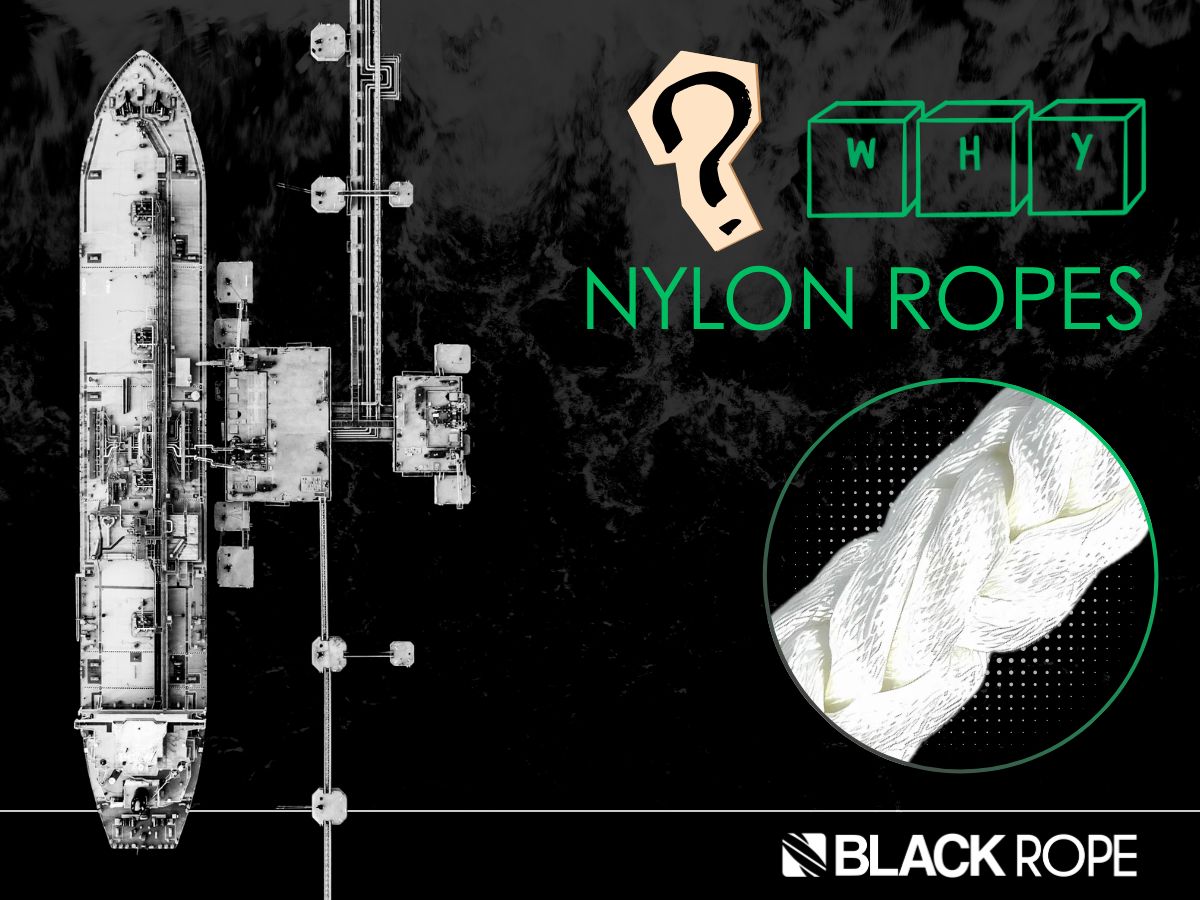
Securing a vessel against wind, current and passing traffic is no simple task. Among synthetic options, nylon remains a premier choice for handling these dynamic forces.
→ 𝗪𝗵𝘆 𝗖𝗵𝗼𝗼𝘀𝗲 𝗡𝘆𝗹𝗼𝗻?
𝗦𝗵𝗼𝗰𝗸 𝗔𝗯𝘀𝗼𝗿𝗽𝘁𝗶𝗼𝗻: Nylon stretches 𝟮𝟬-𝟯𝟱% at its breaking load. It acts like a massive rubber band, absorbing sudden kinetic energy and protecting deck machinery from peak loads.
𝗧𝗼𝘂𝗴𝗵 & 𝗗𝘂𝗿𝗮𝗯𝗹𝗲: It boasts a high strength-to-weight ratio and excellent resistance to abrasion against chocks and fairleads.
→ 𝗪𝗵𝗲𝗻 𝘁𝗼 𝗨𝘀𝗲 𝗡𝘆𝗹𝗼𝗻 𝗟𝗶𝗻𝗲𝘀:
▪ 𝗘𝘅𝗽𝗼𝘀𝗲𝗱 𝗕𝗲𝗿𝘁𝗵𝘀: Provides the continuous flexibility needed to ride out heavy swells and wind gusts.
▪ 𝗦𝗺𝗮𝗹𝗹/𝗠𝗶𝗱-𝗦𝗶𝘇𝗲𝗱 𝗩𝗲𝘀𝘀𝗲𝗹𝘀: Easy to handle, soft on the hands and offers perfect elasticity for lighter displacements.
▪ 𝗛𝗶𝗴𝗵-𝗧𝗿𝗮𝗳𝗳𝗶𝗰 𝗔𝗿𝗲𝗮𝘀: Cushions harsh tugs caused by the displacement waves of passing ships.
→ 𝗪𝗵𝗲𝗻 𝘁𝗼 𝗨𝘀𝗲 𝗡𝘆𝗹𝗼𝗻 𝗧𝗮𝗶𝗹𝘀:
Large commercial ships require stiff primary lines (HMPE or steel wire) to prevent drifting, but their lack of stretch makes them vulnerable to shock-loading. Splicing an 𝟭𝟭𝗺 𝘁𝗼 𝟮𝟮𝗺 nylon tail onto a rigid primary line introduces a controlled “fuse” of elasticity, allowing the system to absorb sudden impacts while keeping the ship firmly in place.
⚠️ 𝗖𝗮𝘂𝘁𝗶𝗼𝗻:
Nylon loses roughly 𝟭𝟬-𝟭𝟱% of its tensile strength when wet. As per hashtag#OCIMF hashtag#MEG4 guidelines, always ensure your 𝗧𝗮𝗶𝗹 𝗗𝗲𝘀𝗶𝗴𝗻 𝗕𝗿𝗲𝗮𝗸 𝗙𝗼𝗿𝗰𝗲 (𝗧𝗗𝗕𝗙) is calculated and tested under wet conditions.
➰ 𝗕𝗹𝗮𝗰𝗸 𝗥𝗼𝗽𝗲 offers premium Nylon ropes and tails for your vessels’ requirements. Explore them here: https://lnkd.in/dyMJGMEV
𝗕𝗹𝗮𝗰𝗸 𝗥𝗼𝗽𝗲 | 𝗘𝘃𝗲𝗿𝘆𝘁𝗵𝗶𝗻𝗴 𝗳𝗼𝗿 𝘆𝗼𝘂𝗿 𝗠𝗼𝗼𝗿𝗶𝗻𝗴